THE BENEFITS OF PLAY
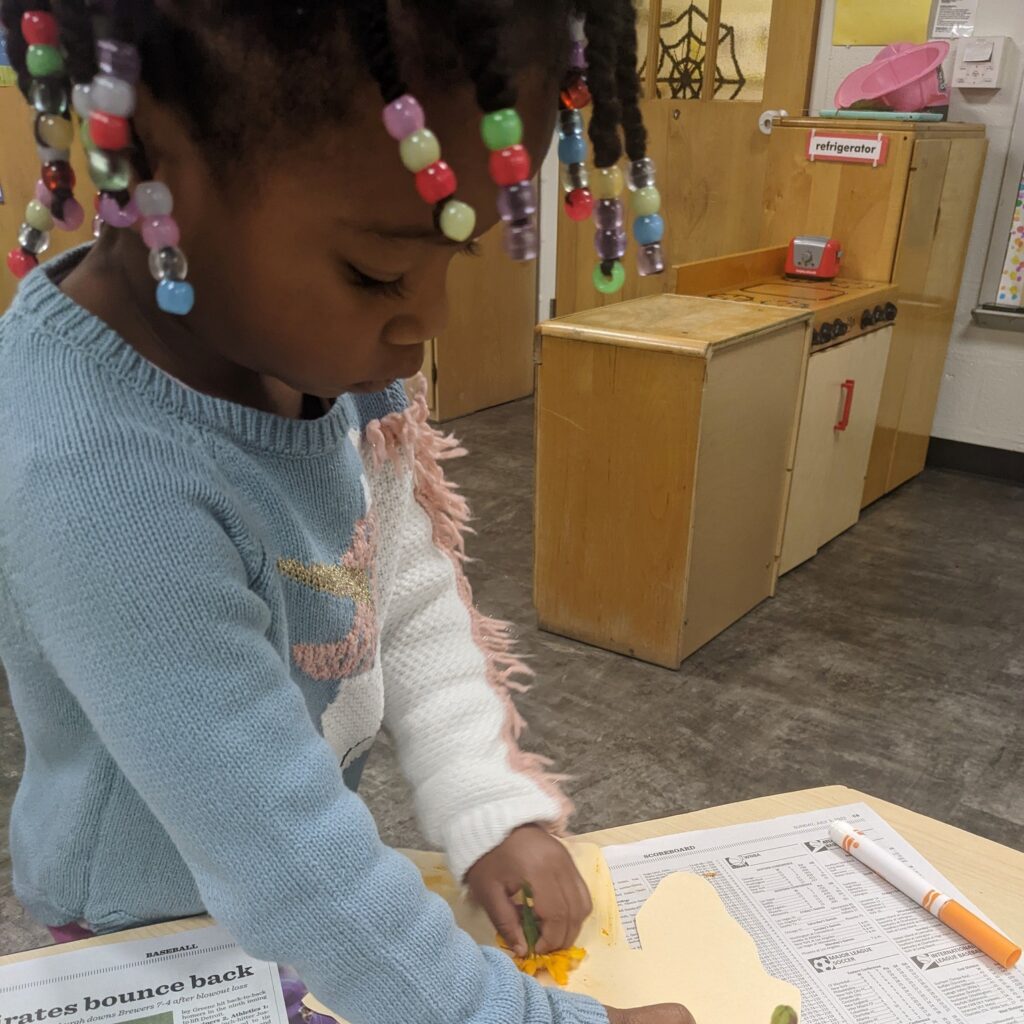
Child-initiated play lays a foundation for learning and academic success. Through play, children learn to interact with others, develop language skills, recognize and solve problems, and discover their human potential. In short, play helps children
make sense of and find their place in the world.
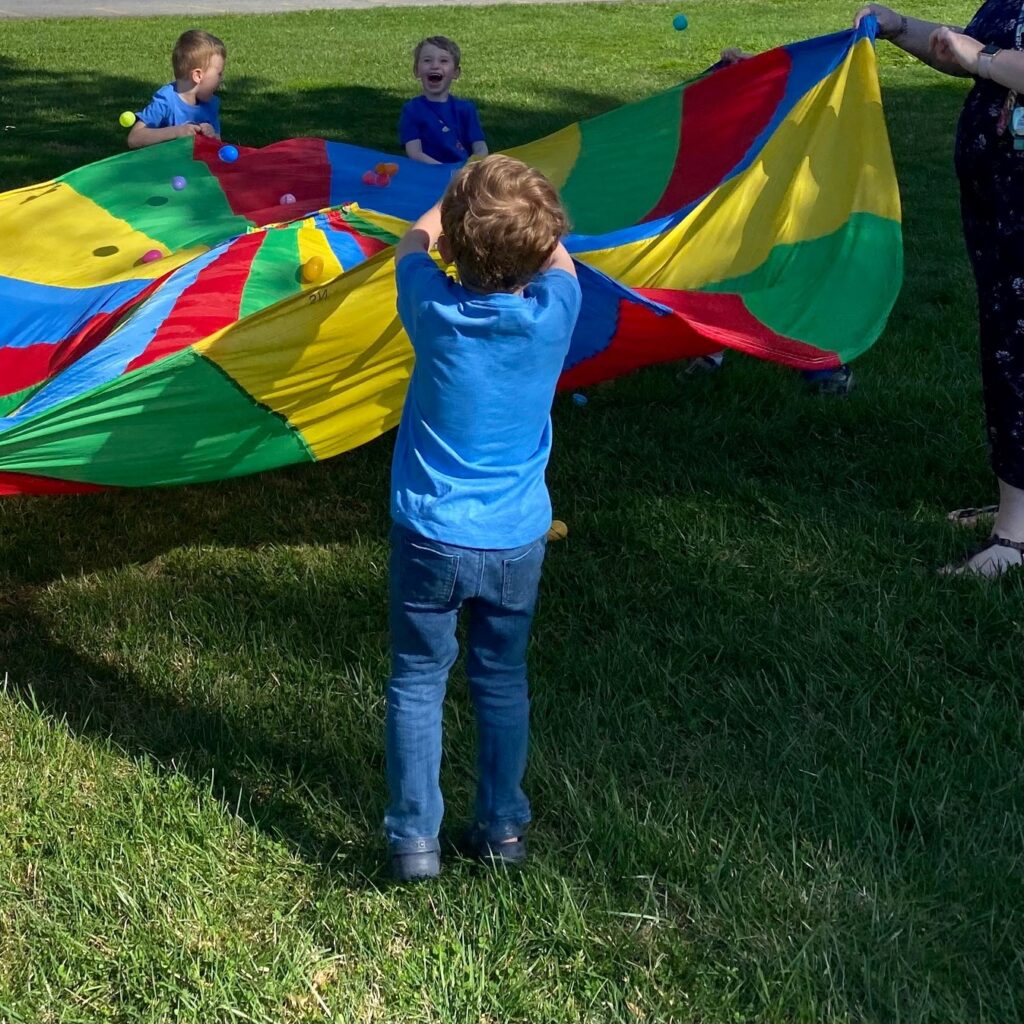
• Physical development: The rough and tumble of active play facilitates children's sensorimotor
development. It is a natural preventive for the current epidemic of childhood obesity. Research suggests that recess also boosts school children's academic performance.
• Academics: There is a close link between play and healthy cognitive growth. It lays the foundation for later academic success in reading and writing. It provides hands-on experiences with real-life materials that help children develop abstract scientific and mathematical concepts. Play is critical for the development of imagination and creative problem-solving skills.
• Social and emotional learning: Research suggests that social make-believe play is related to increases in cooperation, empathy, and impulse control, reduced aggression, and better overall emotional and social health.
• Sheer joy: The evidence is clear—healthy children of all ages love to play. Experts in child development say that plenty of time for childhood play is one of the key factors leading to happiness in adulthood.
Article found at: www.allianceforchildhood.org.